


The problem with many content calendars is that they assume everything will go according to plan.
Real businesses are not that predictable.
Projects change. Employees get busy. Promotions move. Emergencies happen.
Your content calendar needs flexibility.
Start With Content Categories
Create a few recurring categories.
For example:
- Educational
- Promotional
- Behind the scenes
- Customer stories
- Industry insights
- Company updates
These categories make it easier to create content without starting from zero.
Create Reusable Content
A strong piece of content can often be adapted.
A blog post can become:
- Social posts
- Short videos
- Graphics
- Email content
- FAQs
This reduces the pressure to constantly create something completely new.
Plan the Important Dates First
Add:
- Promotions
- Holidays
- Product launches
- Events
- Announcements
Then fill the remaining calendar with evergreen content.
Leave Room for Real-Time Content
Do not schedule every post weeks in advance.
Leave space for timely updates, customer questions, industry news, and unexpected opportunities.
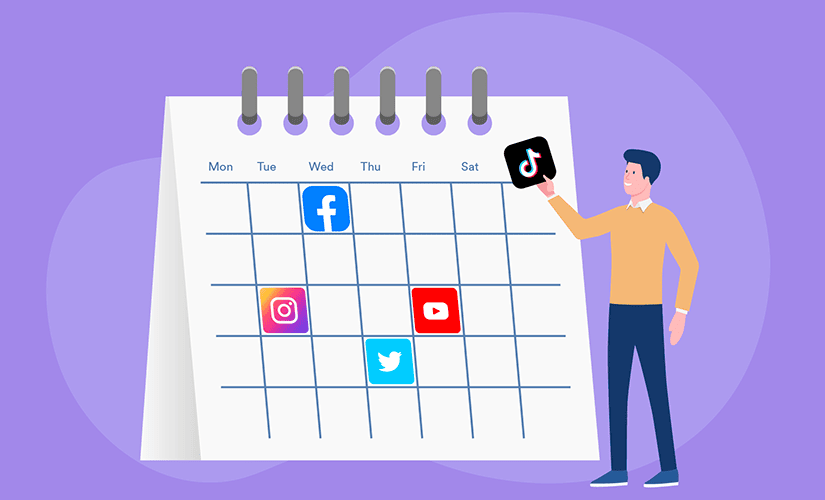
Create a Minimum Content Plan
Define the minimum amount of content your business can realistically maintain.
Consistency is usually more sustainable than creating an ambitious schedule that collapses after a few weeks.
Build a Calendar You Can Realistically Maintain
A good content calendar is not a prison.
It is a framework.
Build enough structure to stay consistent and enough flexibility to adapt when the business gets busy.


